
Views: 0 Author: Site Editor Publish Time: 2026-08-19 Origin: Site


The rapid growth of e-commerce, food delivery, retail distribution, and same-day shipping has significantly increased the demand for efficient urban transportation. Delivery companies today must move more goods within shorter timeframes while controlling operating costs and meeting customer expectations.
Among the various commercial vehicles available, van trucks have become one of the most practical solutions for city logistics. Their balance of cargo capacity, compact dimensions, and operating efficiency allows businesses to perform frequent deliveries without the limitations associated with larger trucks.
Whether transporting parcels, retail goods, maintenance equipment, or industrial supplies, van trucks provide the flexibility required for modern urban distribution.
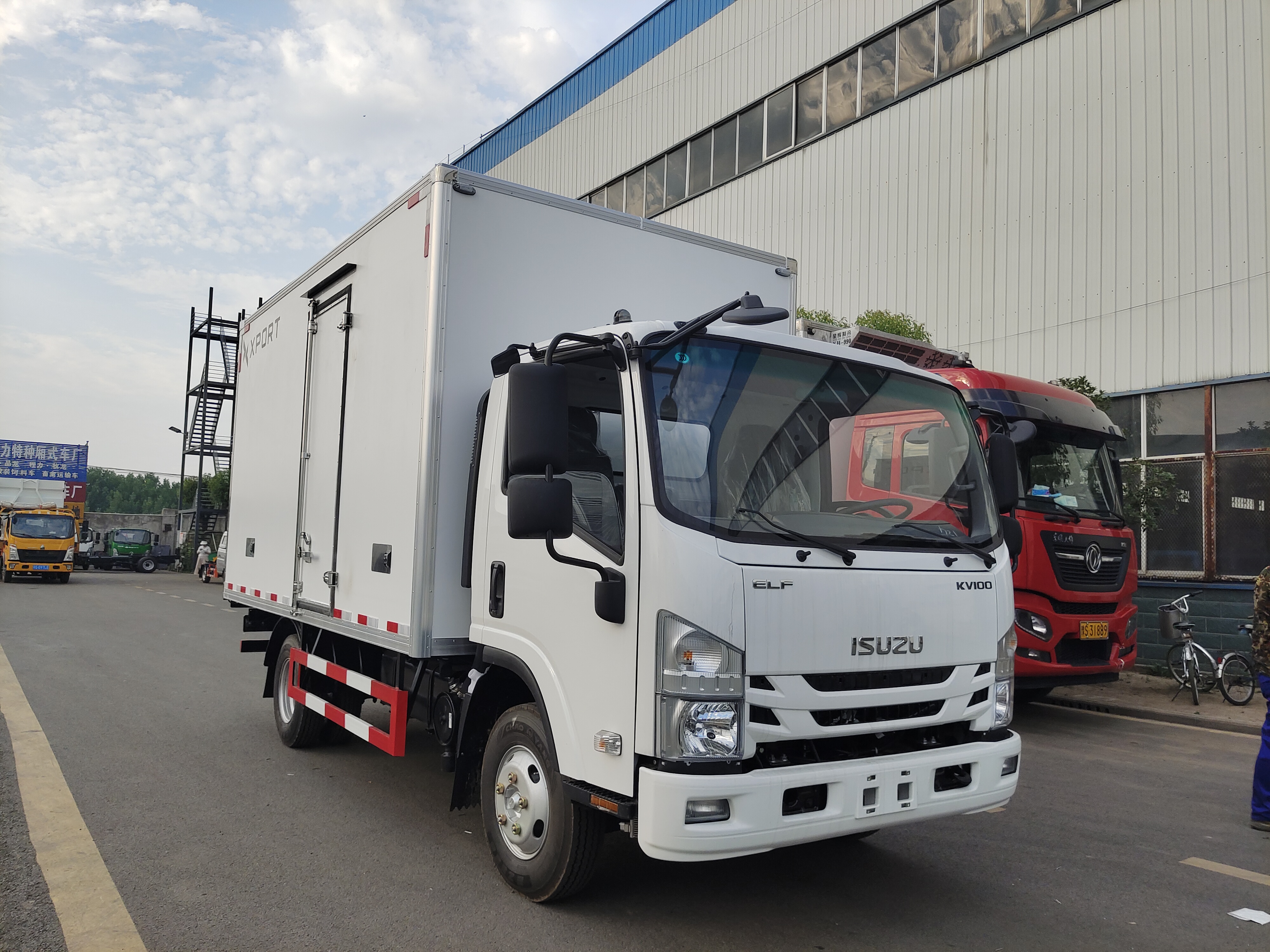
Urban environments present unique transportation challenges. Narrow streets, heavy traffic, limited parking spaces, and frequent delivery stops require vehicles that can move efficiently without sacrificing cargo capacity.
Compared with larger box trucks, van trucks offer several operational advantages:
Easier maneuvering through congested traffic
Improved access to narrow roads and commercial districts
Convenient parking in restricted urban spaces
Faster loading and unloading during multiple delivery stops
Many models are equipped with sliding side doors and wide rear doors, allowing drivers to access cargo quickly without requiring large loading docks. This practical design helps reduce delivery time at every stop and increases the number of deliveries completed each day.
Although compact on the outside, modern van trucks provide surprisingly spacious cargo compartments.
Their enclosed cargo bodies protect goods from rain, dust, and theft while accommodating a wide variety of products, including:
E-commerce packages
Grocery deliveries
Medical supplies
Building materials
Maintenance equipment
Furniture
Electrical appliances
Different wheelbase lengths and cargo volume options enable businesses to choose the configuration that best matches their transportation requirements.
Controlling transportation costs is a major concern for logistics companies.
Van trucks generally consume less fuel than larger commercial trucks because of their lighter weight and more efficient powertrains. Lower fuel consumption becomes particularly valuable during stop-and-go city driving, where fuel expenses can quickly increase.
In addition to fuel savings, van trucks often provide:
Lower maintenance expenses
Reduced tire wear
Lower parking costs
Easier servicing
Longer vehicle utilization in urban operations
These advantages contribute to a lower total cost of ownership over the vehicle's service life.
Today's commercial van trucks are more than transportation vehicles—they are integrated logistics platforms.
Many fleet operators equip their vehicles with intelligent management systems that improve daily operations.
Common technologies include:
Real-time vehicle positioning allows dispatchers to monitor deliveries, improve route planning, and provide customers with accurate arrival estimates.
Navigation software can automatically calculate the most efficient delivery sequence based on traffic conditions, helping reduce unnecessary mileage and improve productivity.
Digital proof-of-delivery systems allow drivers to scan packages, collect electronic signatures, upload delivery photos, and update shipment status instantly using mobile devices.
These technologies improve communication between drivers, dispatch centers, and customers while reducing paperwork.
Sustainability has become an important consideration for transportation companies worldwide.
Electric van trucks are increasingly used for urban distribution because they produce zero tailpipe emissions and operate with lower energy costs than conventional diesel vehicles.
Their advantages include:
Reduced operating expenses
Lower maintenance requirements
Quiet operation
Compliance with urban emission regulations
Improved corporate environmental image
As charging infrastructure continues to expand, electric commercial vans are expected to play an even larger role in future city logistics.
Fast delivery is no longer the only expectation from customers.
Businesses must also provide accurate delivery information, flexible scheduling, and reliable service.
Van trucks support these goals by enabling:
Faster delivery completion
More precise delivery windows
Real-time shipment tracking
Reduced delivery delays
Improved order accuracy
These operational improvements contribute directly to higher customer satisfaction and stronger long-term business relationships.
Selecting a suitable van truck depends on the intended application rather than simply choosing the largest available model.
Important considerations include:
Cargo volume requirements
Maximum payload
Delivery distance
Road conditions
Fuel type (diesel, gasoline, or electric)
Loading frequency
Local transportation regulations
Choosing the right specification helps maximize operating efficiency while minimizing long-term costs.
As urban logistics continue to evolve, businesses require transportation vehicles that combine efficiency, flexibility, and affordability.
Van trucks meet these requirements by providing practical cargo space, excellent maneuverability, economical operating costs, and compatibility with modern fleet management technologies.
Whether used for parcel delivery, retail distribution, municipal services, or commercial transportation, they have become an essential component of today's urban supply chain.
At CLW Group, we provide a wide range of commercial van trucks designed to meet different logistics and transportation needs. Our team can recommend suitable vehicle configurations based on your payload, operating environment, and business requirements, helping you find the right solution for efficient urban delivery.

 English


