
Views: 0 Author: Site Editor Publish Time: 2026-08-07 Origin: Site


Garbage collector trucks are essential for maintaining cleanliness and public health in urban and rural areas alike. Their efficient operation ensures that waste is collected, compacted, and transported to disposal or recycling sites without disruption. However, due to their heavy-duty nature and demanding work environments, these vehicles require diligent routine maintenance to remain reliable and safe. Proper maintenance not only extends the lifespan of garbage collector trucks but also maximizes uptime, reducing costly breakdowns and ensuring consistent service.
Routine maintenance is the backbone of a reliable waste collection operation. Garbage collector trucks work in tough conditions—frequently stopping and starting, carrying heavy loads, and operating hydraulic compaction systems. Without regular upkeep, components can wear out quickly, leading to unexpected breakdowns that disrupt service schedules and increase repair costs.
Maintaining trucks routinely helps:
Prevent costly repairs and extend vehicle life
Ensure safe operation for drivers and the public
Improve fuel efficiency and reduce environmental impact
Maximize uptime to meet collection schedules without delays
A well-maintained fleet is critical for efficient waste management and positive community relations.
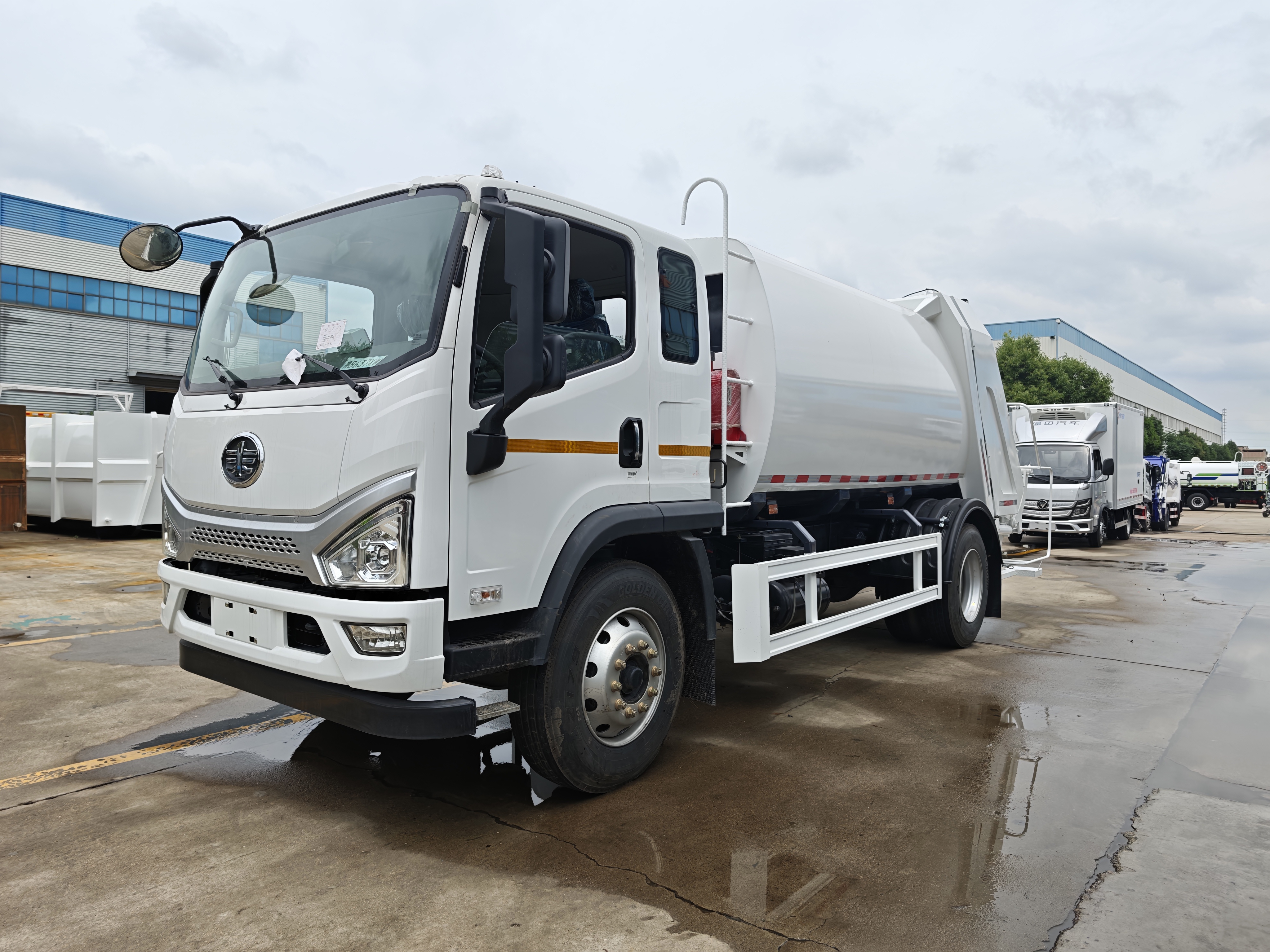
Starting each day with a thorough visual inspection is crucial. This simple step can detect early signs of problems and prevent major failures before they occur, saving time and costly repairs.
Check Tires and Tire Pressure: Carefully examine all tires for uneven wear, cuts, punctures, or other visible damage. Maintaining proper tire pressure is essential for safe vehicle handling and optimal fuel efficiency. Underinflated tires cause increased wear and raise the risk of blowouts, while overinflated tires can reduce traction and cause uneven wear. Regularly checking tire pressure ensures longer tire life and safer operation.
Look for Fluid Leaks: Inspect under the vehicle for any signs of oil, coolant, hydraulic fluid, or water leaks. Even small leaks can indicate seal failures, damaged hoses, or loose fittings that need immediate attention. Ignoring fluid leaks may lead to system malfunctions, environmental hazards, or unsafe driving conditions.
Test Lights and Signals: Confirm that all headlights, brake lights, turn signals, hazard lights, and backup alarms are fully operational. These safety devices are vital for alerting other drivers, pedestrians, and workers, especially when operating in busy neighborhoods or tight collection zones.
Performing these daily inspections empowers drivers and maintenance staff to identify and address potential issues early, minimizing downtime and helping keep garbage collector trucks running safely and efficiently.
The engine and transmission are the heart of any garbage collector truck. Regular service keeps these critical systems running smoothly.
Oil and Filter Changes: Follow manufacturer-recommended intervals for changing engine oil and replacing oil filters. Clean oil lubricates engine components, preventing wear and overheating.
Transmission Fluid Checks: Check fluid levels and condition regularly. Contaminated or low transmission fluid can cause shifting problems and costly transmission damage.
Cooling System Upkeep: Inspect coolant levels, hoses, and the radiator to prevent overheating. A well-functioning cooling system is vital, especially given the stop-and-go nature of garbage collection routes.
Routine maintenance here reduces the risk of engine or transmission failure that could immobilize the vehicle.
Hydraulics power the compactor and lifting mechanisms—critical components in garbage trucks.
Hydraulic Fluid Levels and Replacement: Check hydraulic oil levels daily and replace fluid as per maintenance schedules. Clean hydraulic fluid prevents pump wear and system contamination.
Inspect Hydraulic Lines and Connections: Look for leaks, cracks, or worn hoses. Damaged lines can cause loss of pressure, leading to compactor failure or unsafe conditions.
Clean and Lubricate Hydraulic Pumps and Cylinders: Regular cleaning prevents debris buildup, and lubrication reduces friction and wear on moving parts.
Proper hydraulic system maintenance ensures efficient compaction and lifting, reducing mechanical breakdowns.
The garbage compactor mechanism is subjected to intense stress and frequent exposure to heavy waste materials, making regular maintenance absolutely critical to ensure smooth and efficient operation. Proper upkeep of this system not only improves the truck’s performance but also helps extend the lifespan of its components.
Regular Cleaning of Compactor Components: Over time, waste residue, dirt, and debris can accumulate on the compactor and its moving parts. This buildup can lead to corrosion, rust, and mechanical jamming if not properly addressed. Performing thorough cleaning—often using pressure washers after daily routes—helps keep these mechanisms free from obstructions. This prevents premature wear and reduces the chances of malfunction caused by dirt interfering with the compactor’s movements.
Check Mechanical Fasteners and Connections: The compactor’s structural integrity relies heavily on the condition of bolts, pins, joints, and other fasteners. These parts may loosen or wear down due to continuous vibration and heavy use. Regular inspections should focus on identifying any signs of looseness, cracks, or fatigue. Promptly tightening or replacing worn fasteners is essential to avoid breakdowns and maintain overall system stability.
Lubricate Moving Parts: Proper lubrication of hinges, linkages, bearings, and other moving components reduces friction and wear. Greasing these parts at scheduled intervals ensures smooth operation, prevents rust, and minimizes the risk of sudden failures during use.
Maintaining the compactor and body mechanism in optimal condition is fundamental to the efficient operation of garbage collector trucks and significantly prolongs the durability of vital components.
The ability of a garbage collector truck to stop safely and provide a comfortable, controlled ride depends heavily on well-maintained brakes and suspension systems.
Brake System Inspection: Regularly check brake pads, discs, and drums for wear or damage. Since garbage trucks operate in stop-and-go conditions, brake components can wear out faster than on typical vehicles. Additionally, monitor brake fluid levels closely and inspect the hydraulic system for any leaks or contamination. Faulty or worn brakes not only increase the risk of accidents but may also result in costly fines and downtime.
Suspension System Checks: The suspension system, including springs, shock absorbers, and bushings, absorbs the impact of rough roads and heavy loads. Inspect these components frequently for signs of wear, damage, or leaks. A healthy suspension system contributes to improved ride comfort and better vehicle control, which protects both the driver and the cargo from excessive jolts and vibrations.
Regular maintenance of brakes and suspension is essential to ensuring safety on the road and boosting driver confidence. Neglecting these systems can lead to hazardous driving conditions, increased repair costs, and unscheduled vehicle downtime.
Garbage trucks operate in close proximity to pedestrians and other vehicles. Safety equipment must always be functional.
Safety Lights and Reflective Markings: Ensure all reflective tape, warning lights, and alarms are clean and operational. These alert others to the truck’s presence and movements.
Cab Safety Features: Check driver seat belts, fire extinguishers, and emergency kits. These measures protect drivers in the event of an accident.
Maintaining safety equipment is not only regulatory but essential for community and worker safety.
Efficient maintenance requires good documentation and planning.
Maintain a Detailed Maintenance Log: Record every inspection, service, and repair, noting dates and findings. Logs help track recurring issues and comply with regulatory audits.
Set Up Scheduled Maintenance Reminders: Use fleet management software or calendars to alert when routine services are due. Preventive maintenance reduces unplanned downtime and repair costs.
Good record keeping supports proactive fleet management and extends vehicle life.
Routine maintenance plays a crucial role in maximizing the uptime and reliability of garbage collector trucks. By regularly inspecting and servicing key components such as engines, hydraulic systems, brakes, and safety equipment, fleet operators can significantly reduce unexpected breakdowns, enhance safety, and extend the overall lifespan of their vehicles. Combining daily visual checks with scheduled preventive maintenance ensures that waste collection operations run smoothly and without costly interruptions. For waste management businesses seeking durable and efficient garbage collector trucks, partnering with a trusted manufacturer is essential. Chengli Special Purpose Vehicle Co., Ltd. offers a wide range of high-quality, reliable garbage trucks designed to meet rigorous industry standards. Their expertise and comprehensive after-sales support help fleet managers maintain peak vehicle performance and operational efficiency. To learn more about how Chengli’s specialized vehicles can benefit your fleet and boost uptime, consider reaching out to them for tailored solutions and professional advice.

 English


